


Steripen Instructions: A Comprehensive Guide
Discover effective water purification with your Steripen! This guide details usage, maintenance, and safety, ensuring clean and safe drinking water everywhere.
Understanding Your Steripen
Your Steripen is a portable water purifier utilizing ultraviolet (UV) light technology to neutralize harmful microorganisms. It’s a lightweight, chemical-free solution for ensuring safe drinking water from clear sources like streams, lakes, and even tap water in unfamiliar locations. Unlike filters, Steripens don’t remove sediment; they disinfect by disrupting the DNA of bacteria, viruses, and protozoa, rendering them harmless.
Different Steripen models cater to varying needs, from individual adventurers to families. Understanding your specific model – like the UltraLight – is crucial for optimal performance. The UltraLight, for example, boasts USB rechargeability, offering flexibility in power sources. Familiarize yourself with the LED indicators; a flashing green light signifies activation, while a solid green light indicates successful purification. Proper understanding unlocks the full potential of your Steripen, providing peace of mind with every sip.
What is a Steripen and How Does it Work?

A Steripen is a revolutionary water purification device employing ultraviolet (UV) light to eliminate harmful microorganisms. It’s a compact, robust alternative to traditional methods like boiling or chemical treatments. The core principle revolves around disrupting the DNA of pathogens – bacteria, viruses, and protozoa – preventing them from reproducing and causing illness.
When activated, the Steripen emits a powerful UV-C light emitted from pins that are submerged in water. This light neutralizes these threats within seconds. Crucially, Steripens don’t alter the water’s taste or odor, and they require no recovery time. The process is entirely physical, leaving no chemical residue. For effective purification, water must be reasonably clear; pre-filtering is recommended for turbid sources, ensuring the UV light reaches all potential contaminants.
Steripen Models: Identifying Your Device
Steripen offers a range of models tailored to diverse needs, from individual adventurers to families and groups. The UltraLight is a popular choice for backpacking and solo travel, known for its compact size and USB rechargeability. The Classic model provides a balance of portability and capacity, suitable for general outdoor use. Larger groups might benefit from the Adventurer, offering increased treatment volume.
Identifying your specific model is crucial for accessing the correct instructions and ensuring optimal performance. Check the device body for model name and serial number. The UltraLight, for example, features a streamlined design and a single button operation. Referencing the original packaging or the Katadyn Group website (katadyngroup.com) will provide detailed specifications and model-specific guides. Knowing your Steripen ensures you utilize its features effectively and maintain its longevity.

Getting Started with Your Steripen
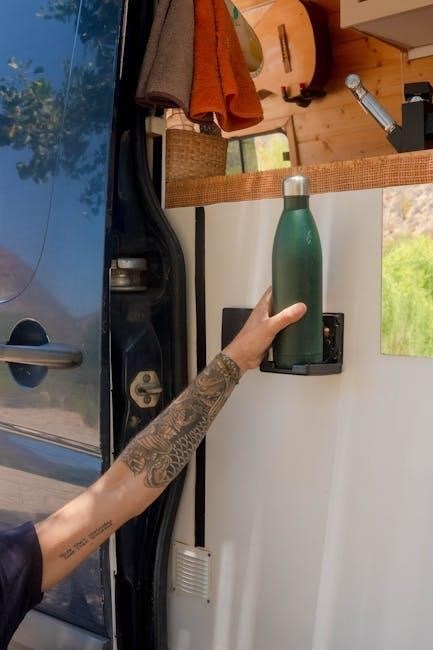
Prepare for safe water! Charge your device fully, understand water clarity needs, and familiarize yourself with activation procedures for reliable purification.
Charging Your Steripen
The Steripen UltraLight boasts convenient USB rechargeability, offering versatile charging options for adventurers and travelers. You aren’t limited to traditional power outlets; embrace the freedom to recharge using a solar panel, a standard wall plug, or directly from your computer’s USB port. This adaptability makes it ideal for remote locations and extended trips where access to electricity might be limited.
Ensure a full charge before embarking on your journey to maximize purification capacity. The charging process is straightforward – simply connect the Steripen to a compatible USB power source using the provided cable. Monitor the indicator light to track the charging progress; it will typically change color or pattern once fully charged. Remember that charging times may vary depending on the power source and the Steripen model.
USB Rechargeability: Options and Best Practices
Leveraging the Steripen’s USB rechargeability unlocks diverse power solutions. Solar panels are excellent for off-grid adventures, providing sustainable energy. Wall adapters offer quick charging when outlets are available, while computer connections are convenient for slower, overnight replenishment. Always use a reliable USB cable to ensure efficient power transfer and prevent damage to the charging port.
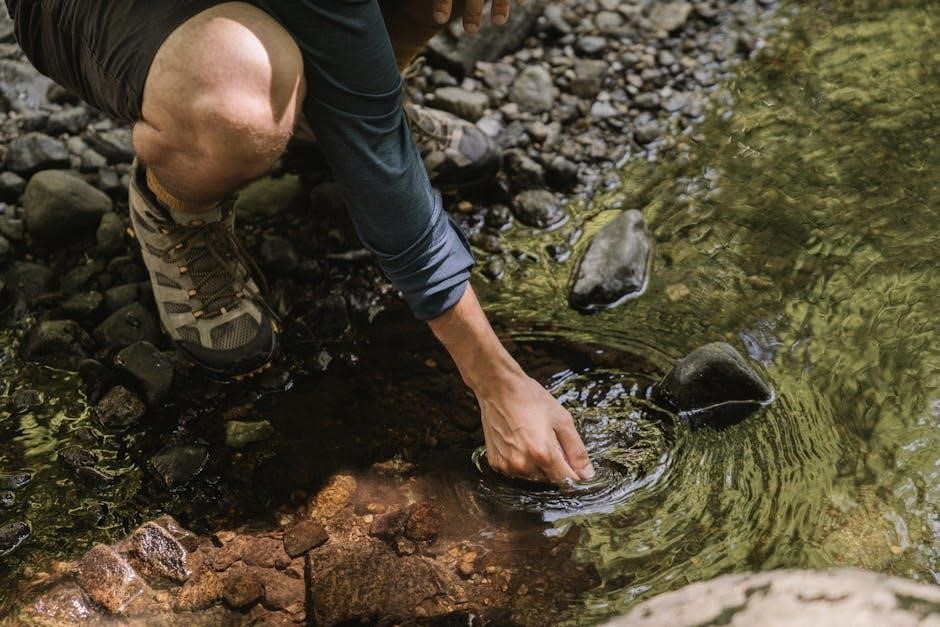
For optimal battery health, avoid extreme temperatures during charging. While charging via a computer, ensure a stable connection. Consider using a USB power bank for extended trips, providing multiple charges without needing an outlet. Regularly check the USB port for debris and clean it gently if necessary. Proper charging practices extend the lifespan of your Steripen and guarantee reliable performance.
Preparing Water for Purification
Effective Steripen use hinges on proper water preparation. The device functions best with clear water; turbidity significantly reduces UV effectiveness. Water sourced from streams, lakes, or rivers often contains particulate matter requiring pre-treatment. Always prioritize clarity for optimal purification results.
Pre-filtering is crucial. Utilize a cloth, coffee filter, or dedicated water filter to remove sediment and debris. This ensures the UV light can penetrate the water effectively, neutralizing harmful microorganisms. Severely murky water necessitates more robust filtration before Steripen treatment. Remember, the Steripen doesn’t filter; it disinfects. Therefore, pre-filtering is a vital step towards safe drinking water, maximizing the device’s capabilities.
Water Clarity Requirements
Steripen purification relies heavily on water clarity. The ultraviolet (UV) light must penetrate the water to effectively neutralize bacteria, viruses, and protozoa. Murky or cloudy water significantly diminishes UV light’s reach, potentially compromising disinfection. Ideally, water should appear clear, resembling tap water, for optimal Steripen performance.
If the water has visible particulate matter, pre-filtration is essential. Even slight turbidity can reduce the UV dose delivered to microorganisms. The Steripen is not a filter; it’s a disinfectant. Therefore, it doesn’t remove sediment. Water should be free of suspended solids to ensure the UV lamp’s effectiveness. Regularly assess water clarity and pre-filter as needed to guarantee safe drinking water.
Pre-Filtering Water for Optimal Results
To maximize Steripen effectiveness, pre-filtering is crucial when dealing with water containing sediment or particulate matter. Simple pre-filtration methods include using a cloth, coffee filter, or dedicated water filter. These remove visible impurities, enhancing UV light penetration and ensuring thorough disinfection.
Consider the source water’s condition when selecting a pre-filter. For lightly turbid water, a bandana or tightly woven cloth may suffice. However, heavily sedimented water requires a more robust filter. Pre-filtering doesn’t just improve disinfection; it also extends the Steripen’s lifespan by preventing premature wear from abrasive particles. Always pre-filter before using your Steripen for consistently safe and reliable water purification.

Using Your Steripen for Water Purification
Activate your Steripen by submerging the sensor pins in clear water, initiating UV disinfection for safe and reliable hydration every time.
Activating the Steripen
Proper activation is crucial for effective water purification. Begin by ensuring your Steripen is charged, as detailed in the ‘Charging Your Steripen’ section. Next, locate clear water suitable for treatment – pre-filtering may be necessary, as outlined later. Gently submerge the Steripen’s sensor pins completely within the water.

The ultraviolet lamp will automatically turn on once the pins are submerged, initiating the purification process. Simultaneously, you’ll notice the green LED indicator light begin to flash, confirming activation. This flashing indicates the Steripen is actively disinfecting the water. In French, it’s described as plunging the lamp into clear water until the sensor is submerged. German instructions emphasize submerging until the LED blinks. Spanish instructions also mention waiting for the green LED to start flashing.
Allow a couple of seconds for the activation sequence to complete before proceeding to the next step – the purification process itself.
Submerging the Sensor Pins
Successful activation hinges on correctly submerging the Steripen’s sensor pins. These pins are the key to initiating the UV disinfection process. Ensure the water you’re using is reasonably clear; murky water will impede the UV light’s effectiveness. Gently lower the Steripen into the water, making certain both sensor pins are fully covered.
Don’t rush this step! The Steripen is designed to automatically detect water contact via these pins. In multiple languages – English, French, German, and Spanish – instructions emphasize complete submersion until the LED indicator begins to flash. This flashing confirms the UV lamp has activated.
Avoid forceful insertion or angling the Steripen; a smooth, controlled submersion is best. Proper pin contact is vital for a complete and safe purification cycle. Remember, the lamp won’t activate without full submersion.
The Purification Process
Once activated, the Steripen’s purification process requires gentle movement. Stir the water with the device, ensuring uniform exposure to the UV light. Circular motions are recommended for comprehensive disinfection, reaching all areas of the water volume. This isn’t a passive process; active stirring is crucial for effectiveness.
Pay close attention to the LED indicator. Initially, it will flash, signaling the UV lamp is working. Continue stirring until the green LED light turns solid and the UV lamp automatically shuts off. This indicates the treatment is complete and the water is safe to drink.
Treatment duration depends on water volume, but the Steripen’s automatic shut-off guarantees adequate disinfection. Consistent stirring throughout the process is key to achieving optimal results, as highlighted in the manual’s multilingual instructions.
Stirring and Movement Techniques
Effective purification hinges on proper stirring. Gently move the Steripen in a circular motion throughout the water volume, ensuring every drop receives UV exposure. Avoid vigorous shaking, which can disrupt the process and potentially damage the device. The goal is consistent, even distribution of UV light.
Maintain contact with all areas of the container, reaching corners and edges. For larger volumes, a figure-eight pattern can be beneficial. Remember, the Steripen doesn’t purify stagnant water; it requires movement to work correctly.
As the manual details in multiple languages, consistent stirring is paramount. This ensures uniform purification, eliminating harmful microorganisms and providing safe drinking water. Proper technique maximizes the Steripen’s effectiveness.
Treatment Time and LED Indicators
Understanding the LED is crucial for successful purification. Initially, the green LED will flash upon submersion, indicating the UV lamp is activating. This typically takes around two seconds, as noted in the manual. Continue stirring throughout the treatment period.
The duration depends on water volume, but the Steripen automatically controls the process. Once the green LED turns solid and the UV lamp shuts off, treatment is complete. Do not interrupt the cycle prematurely.
The manual, available in English, German, French, and Spanish, emphasizes this visual cue. A solid green light signifies safe, purified water. Rely on the indicator, not a timer, for accurate results. Consistent monitoring ensures optimal performance.
Maintaining Your Steripen
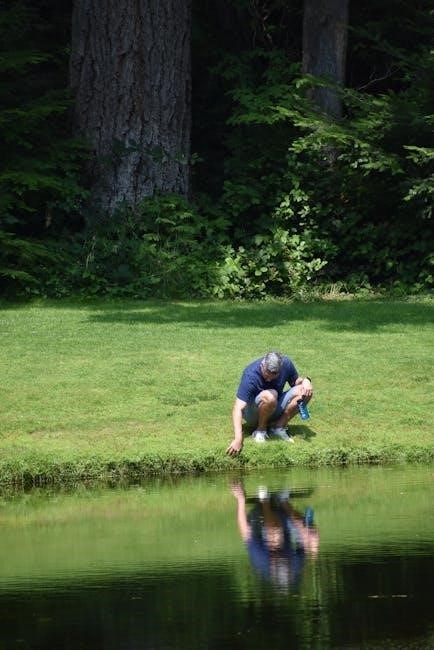
Regular cleaning and proper storage extend your Steripen’s life. Periodically replace the UV lamp to ensure optimal purification performance and safety.
Cleaning and Storage
After each use, gently wipe down your Steripen with a clean, damp cloth to remove any debris or sediment. Avoid using harsh chemicals or abrasive cleaners, as these can damage the UV lamp or the device’s housing. Pay particular attention to the sensor pins, ensuring they are free from any buildup that could interfere with activation.
For long-term storage, ensure the Steripen is completely dry before placing it in a protective case or bag. Store it in a cool, dry place away from direct sunlight and extreme temperatures. It’s also advisable to remove the battery (if applicable to your model) for extended periods of non-use. Proper cleaning and storage will significantly contribute to the longevity and reliable performance of your Steripen, guaranteeing safe water purification whenever you need it.
Replacing the UV Lamp
The UV lamp is the core component of your Steripen, and its effectiveness diminishes over time. While Steripen devices are designed for extended lamp life, eventual replacement is necessary to maintain optimal purification performance. The frequency of replacement depends on usage, but generally, it’s recommended after a specified number of purification cycles, as outlined in your device’s manual.
Replacement procedures vary slightly between Steripen models. Typically, it involves accessing the lamp compartment (refer to your manual for specific instructions) and carefully disconnecting the old lamp before inserting the new one. Always handle the new UV lamp with care, avoiding direct contact with the glass. Ensure the replacement lamp is a genuine Steripen-approved component to guarantee compatibility and continued water safety.
Troubleshooting Common Issues
If your Steripen isn’t activating, first ensure it’s adequately charged. A flashing red light often indicates low battery. If fully charged, verify the sensor pins are clean and making proper contact with the water. Sometimes, mineral buildup can interfere with conductivity. Gently cleaning the pins with a soft cloth can resolve this.
If the LED doesn’t turn solid after the treatment time, the water might be too cloudy. Pre-filtering is crucial for optimal performance. Also, ensure you’re stirring the water adequately during purification. If issues persist, consult the Steripen website for FAQs or contact customer support, providing your model number for assistance. Do not attempt to disassemble the device yourself.
Safety Precautions
Always follow instructions carefully. Never look directly at the UV lamp. Keep out of reach of children. Use only for intended water purification.
Important Warnings and Considerations
Prioritize safety when utilizing your Steripen. Never operate the device if the lamp is damaged, as UV radiation can be harmful. Avoid looking directly at the illuminated UV lamp during operation; it can cause eye irritation or damage. Ensure the Steripen is fully submerged in water before activation to prevent lamp malfunction and potential hazards.
Remember that Steripen purification is most effective with clear water; pre-filtering is crucial for turbid sources. Do not use the Steripen to purify chemically contaminated water, as it only addresses microbiological contaminants. Be aware of the Steripen’s limitations – it doesn’t remove viruses or heavy metals. Regularly inspect the device for any signs of wear or damage, and follow the recommended maintenance schedule to ensure optimal performance and longevity. Always store the Steripen in a safe, dry location when not in use.
Steripen Lifespan and Limitations
Understand that the Steripen’s UV lamp has a finite lifespan, typically capable of treating several thousand liters of water. Monitor usage and replace the lamp according to the manufacturer’s recommendations to maintain purification effectiveness. Recognize that Steripen technology primarily targets bacteria, protozoa, and cysts, offering limited protection against viruses.

Consider water clarity; highly turbid water significantly reduces UV penetration, diminishing purification capabilities. Note that the Steripen does not remove sediment, chemicals, or heavy metals – pre-filtration and additional treatment may be necessary for comprehensive water safety. Be mindful of battery life, especially during extended use in remote locations. Proper storage and maintenance are crucial for maximizing the Steripen’s lifespan and ensuring reliable performance. Always verify water safety with alternative methods if unsure.
Leave a Reply
You must be logged in to post a comment.