


Hi‑Ho Cherry‑O invites players to collect fruit from a tree and deposit it into a basket. Each turn a die determines how many cherries move, and the goal is to be the first to finish all of one’s own fruit. The game blends simple luck with a playful chant that marks victory. Players shout, rhythm to chase!
Game Components
Each set contains a wooden board, a cherry tree, a basket, 24 red cherries, a six‑sided die, and a rulebook. Players choose a color, place their cherries on the tree, roll to move them toward the basket, aiming to be first to finish. Each a players gets a tree, basket, and illustrations !
Board Layout
The Hi‑Ho Cherry‑O board is a rectangle that fits comfortably in a child’s hands. At its center is a cherry tree, depicted with a brown trunk and a canopy of red fruit. The tree occupies a 3‑by‑3 grid of squares, each representing a cherry that players will move during the game. Surrounding the tree are four equal paths—one on each side of the board—forming a loop that leads from the tree to the player’s basket. Each path consists of 12 numbered spaces, marked 1 through 12, that guide the cherries as they travel toward the basket. The spaces are arranged in a clockwise direction, so a cherry that moves off the tree will first travel along the path on the right side of the board, then turn upward, leftward, and finally downward toward the basket. The basket itself is a small container located at the far end of each player’s side of the board. It is marked with a bright color that matches the player’s chosen token. The board’s dimensions—approximately 8 inches wide by 6 inches tall—make it easy to transport and store. The layout’s symmetry ensures that all players have an equal path to the basket, promoting fairness and balanced play. The layout’s clear numbering and distinct sections help players track progress and anticipate upcoming moves. In short, the board layout is a thoughtfully crafted foundation that supports the game’s core mechanics while keeping the visual experience engaging and straightforward. And bright.
Cherries and Basket
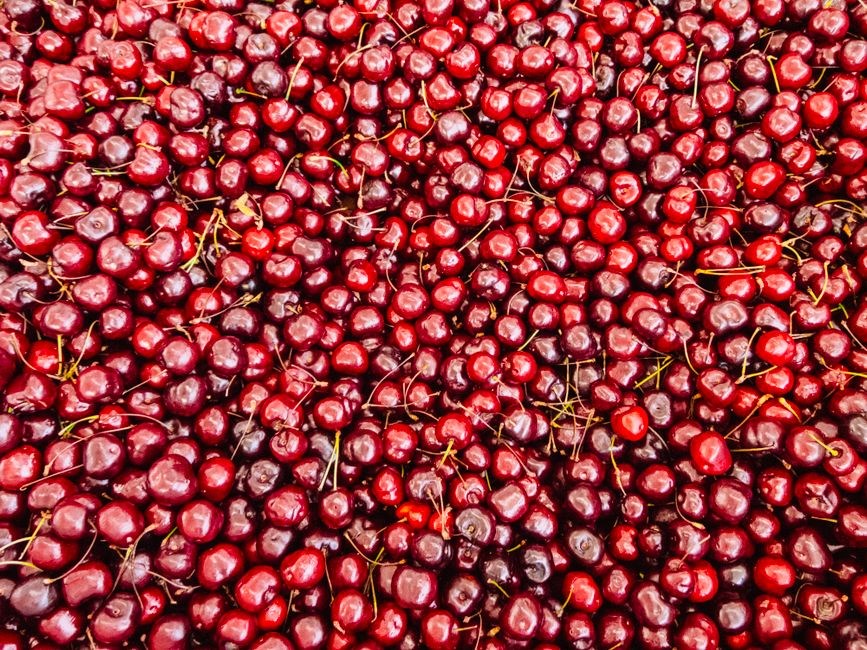
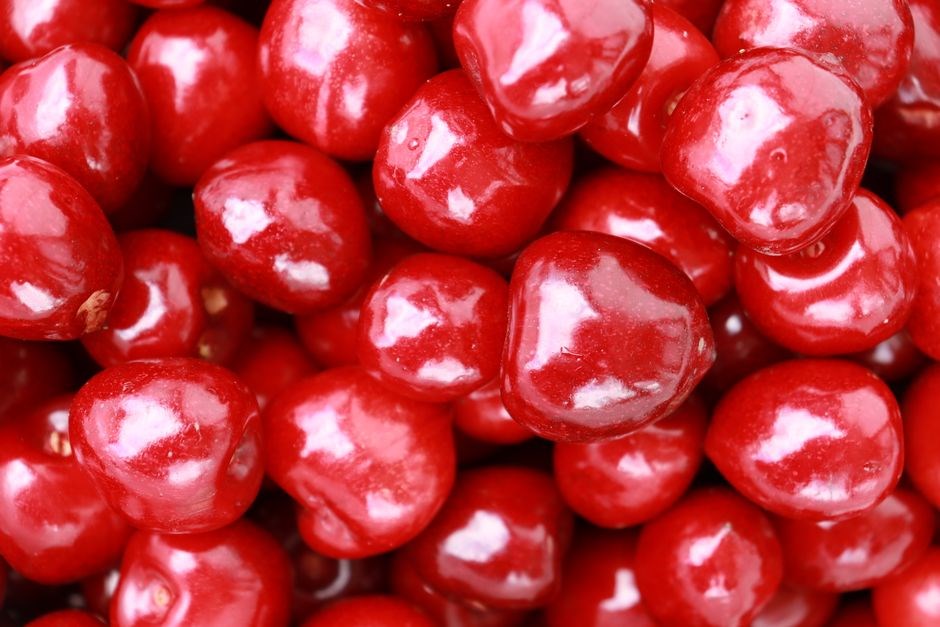
The heart of Hi‑Ho Cherry‑O lies in the bright, small cherries that players must move from the tree to their personal basket. At the beginning of the game, each player receives a set of 12 cherry tokens, each one a vivid shade that matches the tree’s fruit. These cherries are placed on the tree’s branches, ready to be moved toward the basket during play. The basket itself is a small, hollow container that fits neatly on the board’s base; it is designed to hold up to 12 cherries, one for each token a player starts with. As the game progresses, players roll a six‑sided die to determine how many cherries they may move from the tree to their basket. The movement is strictly linear: a cherry can only travel from the tree to the basket, never back again. This rule ensures that the game’s pace is forward‑moving and that each turn brings a player closer to the finish line. The cherries are not merely decorative; they are the game’s currency. When a player successfully places a cherry in their basket, they announce “Hi‑Ho Cherry‑O!” to signal that the move was completed. This chant is part of the game’s charm and adds a playful rhythm to the otherwise simple mechanics. The basket’s capacity is a critical factor: if a player attempts to move more cherries than the basket can hold, the excess cherries are returned to the tree, and the player must roll again on a future turn. This rule prevents players from rushing to finish too quickly and keeps the game balanced. In addition, the basket’s design allows for easy visual tracking of progress. Each cherry in the basket is visible, so players can instantly see how close they are to victory. The combination of the cherries and the basket creates a tactile and visual experience that is both engaging and straightforward, making Hi‑Ho Cherry‑O accessible to children and casual gamers alike.
Playing Rules
Players roll a die, move that many cherries from tree to basket, and repeat. The first to clear all cherries wins. Each turn follows the same sequence: roll, move, shout “Hi‑Ho Cherry‑O!” to signal completion. No extra actions or strategy beyond luck. Enjoy the playful rhythm! & fun..
Turn Sequence
At the start of play, players decide who rolls first by a simple die roll. The chosen player then takes the turn by rolling the die and moving the corresponding number of cherries from the tree to their basket. If the roll is a 3 or 4, the player may move all remaining cherries from the tree, completing a full sweep. After moving, the player announces “Hi‑Ho Cherry‑O” to signal the end of their turn. The next player in clockwise order then repeats the process. If a player lands on a space that allows an extra roll, they may roll again immediately. The sequence continues until one player has moved all of their cherries into the basket, at which point they declare victory. The game emphasizes rhythm and quick counting rather than strategic planning, making it suitable for younger children and family gatherings.
Players may choose to hold onto their cherries until they have a full set, but the rules encourage moving them as soon as possible to keep the rhythm lively. If a player rolls a 6, they receive an extra turn immediately after completing the move, allowing them to potentially finish the game faster. The sequence of turns continues in a clockwise fashion until the final cherry is placed, at which point the player declares victory with the classic chant. The simplicity of the turn structure makes it accessible to children and keeps participants engaged! Some versions of the game feature a “wild card” space that allows a player to swap a cherry with a player’s basket, adding a playful twist to movement.!!

Dice Rolling
In Hi‑Ho Cherry‑O, the die is the engine that drives movement. Each player rolls a standard six‑sided die at the start of their turn. The number rolled dictates how many cherries the player may move from the tree to their basket. If the roll is a 1, the player moves one cherry; a 2 moves two cherries, and so on up to six. The die is rolled with both hands, and the result is announced loudly to keep the rhythm of the game alive. When a player rolls a 6, they receive an extra turn, allowing them to roll again immediately after placing the six cherries. This rule encourages players to keep the momentum going and adds an element of excitement. If a player has fewer cherries remaining than the number rolled, they move all remaining cherries and the turn ends. The die is never used to remove cherries from the basket; The randomness of the die ensures that skill is minimal, making the game suitable for all ages. The simplicity of the rolling mechanic is one of the reasons why Hi‑Ho Cherry‑O remains a favorite in family game nights and classroom settings alike.
Because the die is the sole source of randomness, the game’s pace remains steady, and players can anticipate the next move based on the previous results. The simplicity of the rolling mechanic ensures that children can quickly grasp the concept while adults enjoy the lighthearted competition. The die’s role is purely mechanical; no special symbols or colors alter the outcome, keeping the focus on the chant and the movement of fruit. Players keep the die! to avoid misplacing fast quickly it during the lively chant!
Moving Cherries
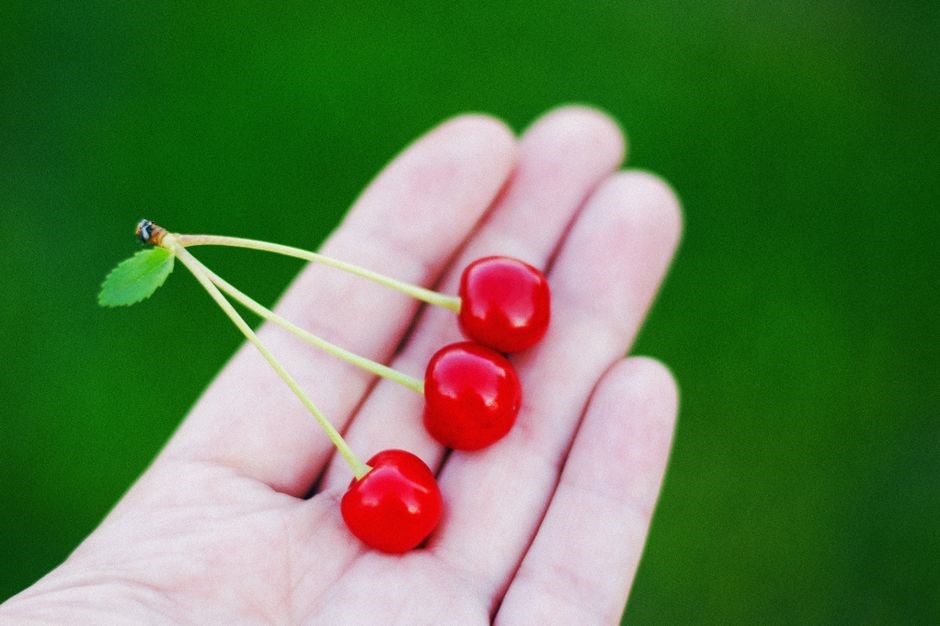
After a player rolls the die, the number shown determines how many cherries the player may move from the tree to the basket. The player selects that many cherries from the tree, one at a time, and places them in the basket. If the roll is a 1, the player moves one cherry; if it is a 2, two cherries, and so on up to four. The player may not move more cherries than are on the tree. If the tree is empty, the move is skipped. The movement is purely mechanical—no strategy beyond the die. The chant “Hi‑Ho, cherry‑o!” follows each move, creating a playful rhythm. Each move is marked by a clapping rhythm that keeps the pace lively. The chant is ended only after all cherries for that turn are in the basket. The movement also serves as a visual cue for counting; players track how many cherries remain on the tree. When a player’s last cherry is moved, the tree is empty, and the player may then move the remaining cherries from the basket to the final “home” area, signaling the end of the game. The simplicity of moving cherries, combined with the chant, makes the game accessible to young children and nostalgic adults alike. Rules do not allow any player to move another player’s cherries, and no player may move cherries from the basket back to the tree. The next player rolls the die and repeats the process. The cycle continues until one player has moved all of their cherries to the basket and then to the final area, at which point they declare victory with the traditional chant, “Hi‑Ho, cherry‑o!” Enjoy! Bye!!
Collecting to Basket
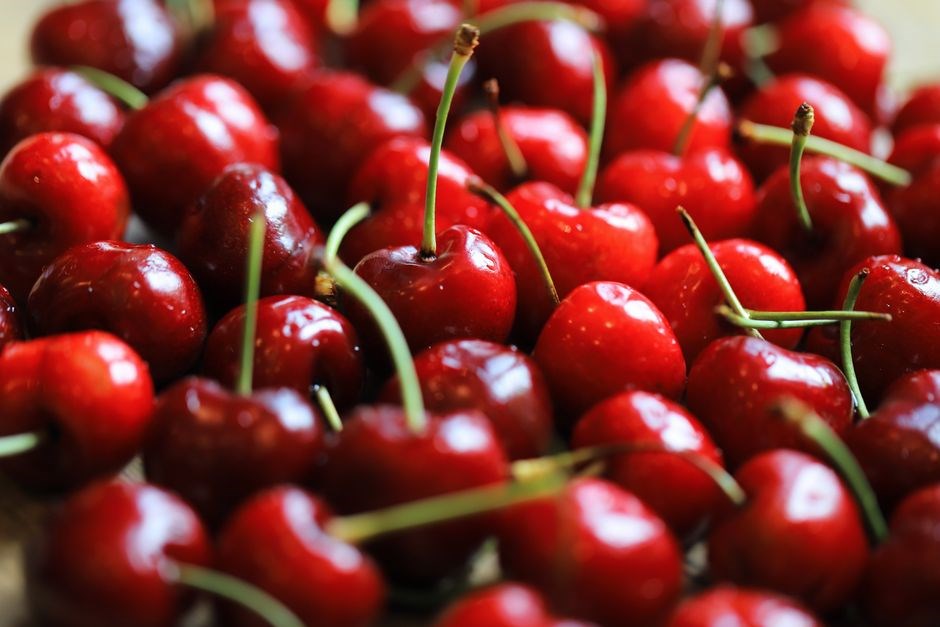
Players move a cherry token from the tree to their basket when the die roll matches the number of cherries to be moved. Each cherry occupies one slot in the basket area adjacent to the player’s tree. If the roll exceeds the remaining cherries, the player may only move as many as are available; excess points are lost. A cherry can only be moved into the basket on the exact number rolled; partial moves are not allowed. Once a cherry lands in the basket, it is considered collected and cannot be moved again. The player then announces the move by shouting “Hi‑Ho Cherry‑O!” to signal completion. This chant is part of the official rules and serves as a reminder that the turn has ended. The objective is to be the first to fill all slots in one’s own basket, which triggers the final move and the declaration of victory. Players must keep track of their own cherries and those of opponents, as the game is cooperative in spirit but competitive in outcome. The collection phase is simple yet engaging, encouraging children to practice counting and to anticipate the next roll. The ritual of placing a cherry, announcing the chant, and watching the basket fill creates a rhythmic flow that is both educational and entertaining. By following these precise steps, players ensure fair play and maintain the integrity of the classic game’s charm. Each basket can hold cherries, and the game ends when a player reaches the limit!
Winning the Game
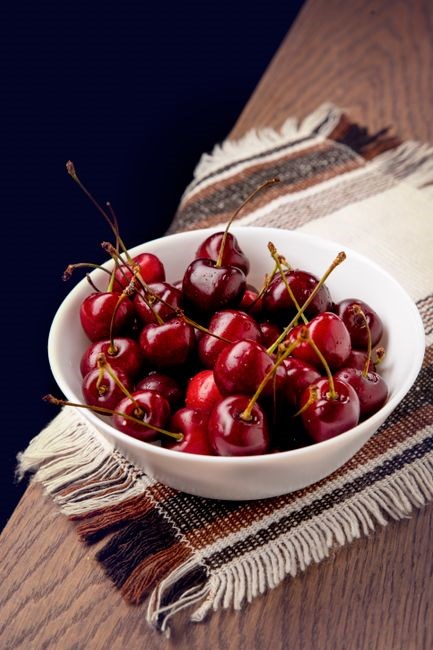
When a player moves the last cherry into their basket, they announce, “Hi‑Ho Cherry‑O, I am the winner!” This final declaration confirms victory. The game ends immediately after the shout, and all other players acknowledge the winner’s triumph. Everyone cheers as the game concludes.
Final Move
The final move in Hi‑Ho Cherry‑O is a moment of tension and celebration. When a player’s last cherry is ready to be transferred from the tree to the basket, the rules dictate a precise sequence. First, the player must roll the die and confirm that the number matches the remaining cherries. If the roll is insufficient, the player must wait for the next turn. Once the roll allows the final cherry to be moved, the player places it in the basket, counts the total, and then declares victory by shouting the iconic phrase “Hi‑Ho Cherry‑O, I am the winner!” This chant is not merely a flourish; it is the official acknowledgment that the game has concluded. The other players must then verify that the basket contains the correct number of cherries. If the count is accurate, the game ends. If there is a discrepancy, the player must correct the mistake before the chant can be repeated. The final move is often accompanied by cheers, and the victorious player is awarded the title of “Cherry Champion” for that session. The ritual of the final move reinforces the game’s emphasis on luck, simple counting, and the joy of a shared, playful victory. Players often use the final move as a teaching moment, explaining probability, counting skills, and the importance of following rules, while also celebrating the simple joy of a shared victory that brings laughter and camaraderie to the table, turning a casual roll into a memorable family tradition that can be passed down through generations. And each time the chant echoes, families remember the simple joy of shared play. When the chant rings, families recall the simple joy of shared play.!!!
Declaration of Victory
When a player has moved all of their cherries from the tree to the basket, the moment of triumph arrives. According to the official rulebook, the player must loudly proclaim, “Hi‑Ho Cherry‑O, I am the winner!” This chant is not merely a flourish; it is the formal declaration that the game has ended and that the speaker has achieved the objective. The phrase must be spoken in a clear, audible voice so that all participants can hear it. If the declaration is omitted or spoken incorrectly, the victory is not recognized, and play may continue or a dispute may arise. In practice, players often add a rhythmic beat or a short cheer to emphasize the excitement. The shout marks the conclusion of the final move and signals to the other players that the game is over. The winner’s name is then recorded, and the next round can commence with a fresh set of cherries and a new tree. This ritual, simple yet memorable, is a hallmark of the game’s charm and ensures that every win feels celebratory.
After the shout, the other players typically clap or cheer, acknowledging the winner’s accomplishment. The winner then confirms the victory by repeating the chant once more, ensuring everyone hears the final declaration. Some families add a playful tradition of awarding a small token, such as a paper crown, to symbolize the triumph. The ritual reinforces the game’s lighthearted spirit and encourages friendly competition among all participants.
Finally, the winner receives a small trophy, adding a tangible reward to the joyous moment.
Variations and Extensions
Players can add competitive twists, such as timed turns or bonus cherries for quick rolls. Extensions include themed boards, custom dice, or cooperative modes where teams race to collect all fruit. These variations keep the classic game fresh and engaging for all ages. Players may swap dice for extra play.
Competitive Play
Competitive play in Hi‑Ho Cherry‑O focuses on timing, strategy, and quick decision-making.Competitive play in Hi‑Ho Cherry‑O focuses on timing, strategy, and quick decision-making.Competitive play in Hi‑Ho Cherry‑O focuses on timing, strategy, and quick decision-making.Competitive play in Hi‑Ho Cherry‑O focuses on timing, strategy, and quick decision-making.Competitive play in Hi‑Ho Cherry‑O focuses on timing, strategy, and quick decision-making.Competitive play in Hi‑Ho Cherry‑O focuses on timing, strategy, and quick decision-making.Competitive play in Hi‑Ho Cherry‑O focuses on timing, strategy, and quick decision-making.Competitive play in Hi‑Ho Cherry‑O focuses on timing, strategy, and quick decision-making.Competitive play in Hi‑Ho Cherry‑O focuses on timing, strategy, and quick decision-making;Competitive play in Hi‑Ho Cherry‑O focuses on timing, strategy, and quick decision-making.Competitive play in Hi‑Ho Cherry‑O focuses on timing, strategy, and quick decision-making.Competitive play in Hi‑Ho Cherry‑O focuses on timing, strategy, and quick decision-making.Competitive play in Hi‑Ho Cherry‑O focuses on timing, strategy, and quick decision-making.Competitive play in Hi‑Ho Cherry‑O focuses on timing, strategy, and quick decision-making.Competitive play in Hi‑Ho Cherry‑O focuses on timing, strategy, and quick decision-making.Competitive play in Hi‑Ho Cherry‑O focuses on timing, strategy, and quick decision-making. Players anticipate rolls and adjust tactics promptly. Players anticipate rolls and adjust tactics promptly. game rewards quick precise moves.
Educational Benefits
Hi‑Ho Cherry‑O offers a playful platform for early numeracy development. Children practice counting from one to six as they roll the die and move cherries, reinforcing ordinal and cardinal concepts. The game’s simple “roll‑and‑move” mechanic introduces basic probability, as players anticipate the range of possible outcomes. By repeatedly comparing dice results, learners gain an intuitive sense of chance and expected value. In addition, the requirement to say “Hi‑Ho Cherry‑O, I am the winner” at the end of the game encourages precise verbal expression and memory recall of the rule set. Turn‑taking promotes patience and respect for others, while the cooperative chant fosters a shared rhythm that can enhance group cohesion. The visual layout of the board, with its tree and basket, supports spatial awareness as players track the position of each cherry. Finally, the game’s light‑hearted tone keeps motivation high, allowing children to practice these skills in a low‑pressure environment. Overall, Hi‑Ho Cherry‑O blends mathematics, language, and social interaction into a single, engaging activity. Because the game is short, children can play multiple rounds in a single session, reinforcing learning through repetition. The colorful tokens also help with color recognition and fine motor skills as players lift and place cherries. Teachers and parents often use the game as a quick warm‑up activity before more complex math lessons, noting how the simple counting translates into real‑world scenarios. Moreover, the game’s inclusive design means that children of varying skill levels can participate, fostering a sense of belonging and encouraging collaborative problem‑solving. Thus, Hi‑Ho Cherry‑O remains a timeless tool for holistic development today!!
Leave a Reply
You must be logged in to post a comment.