



Battery Tender Plus delivers fully automatic charging with spark‑free circuitry, supporting 12V/24V lead‑acid, AGM, and LiFePO4 batteries. It adjusts voltage and current based on battery condition, offering safe, long‑term maintenance without user intervention.!!
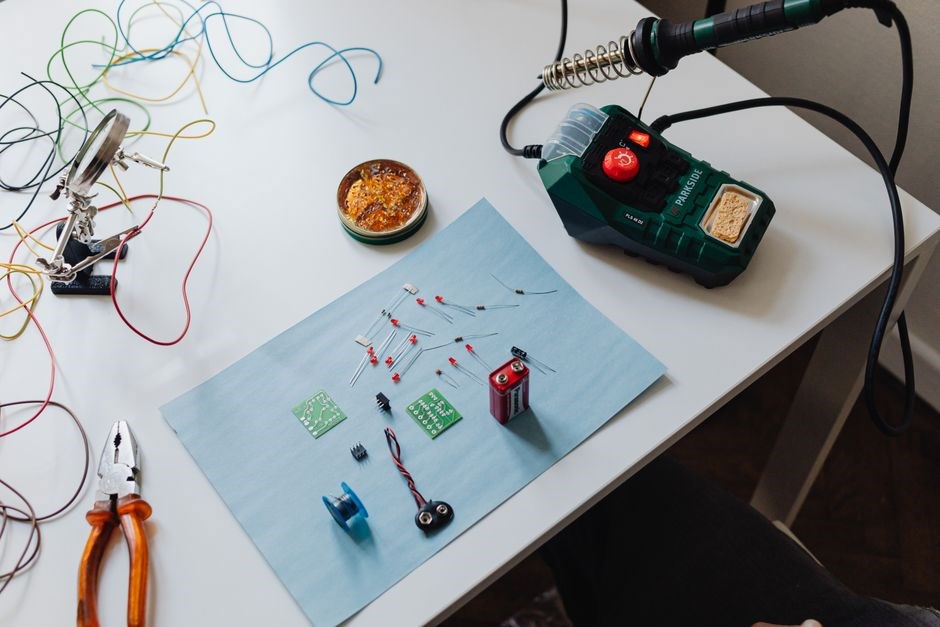
Automatic Charging and Spark-Free Circuitry
Battery Tender Plus is a fully automatic charger that can remain connected to AC mains and the battery for extended periods. Its smart charging algorithm continuously monitors battery voltage, temperature, and internal resistance, automatically adjusting output current and voltage to match the battery’s state of charge. This dynamic response prevents over‑charging, reduces heat buildup, and extends battery life. The charger’s spark‑free circuitry eliminates ignition sources, making it safe for use in environments where static discharge or flammable vapors could pose a hazard. By eliminating spark generation, the unit complies with stringent safety standards for automotive and marine applications. The charger includes a low‑voltage cutoff and a high‑temperature shutdown feature, ensuring the battery is never exposed to dangerous conditions. Users can simply plug the charger into an outlet, connect the battery terminals, and let the device manage the charging cycle autonomously, with no manual intervention required. The firmware evaluates the battery’s internal resistance and adapts the charging profile, providing a gentle trickle when the battery is near full capacity and a more aggressive charge when deeply discharged. The spark‑free design uses solid‑state relays to eliminate arcing during connection or disconnection, making the charger suitable for confined spaces such as boat compartments or vehicle trunks where spark‑induced ignition could be catastrophic. Battery Tender Plus delivers a robust, user‑friendly charging experience that prioritizes safety and battery longevity. For seasons, year‑round.
Supported Battery Types and Model Variants
Battery Tender Plus is available in two model variants: the 12V6A and the 24V3A. Both variants are designed to charge 12‑volt and 24‑volt lead‑acid batteries, including flooded, sealed, and AGM types. The chargers also support lithium iron phosphate (LiFePO4) batteries, which require a lower charging voltage to avoid over‑charging. The 12V6A variant delivers up to 6 A of charging current, ideal for small to medium‑sized batteries such as those found in boats, RVs, and motorcycles. The 24V3A variant provides up to 3 A of current, suitable for larger battery banks used in marine and off‑grid applications. Each model features a spark‑free circuit, a low‑voltage cutoff, and a high‑temperature shutdown to protect both the battery and the charger. The charger’s firmware automatically detects the battery type and adjusts the charging profile accordingly, ensuring optimal performance and longevity. Users can simply connect the charger to the battery and the AC mains, and the device will manage the charging cycle without manual intervention. The combination of versatile model variants and broad battery compatibility makes Battery Tender Plus a reliable choice for a wide range of applications. The charger’s LED indicator shows charging status, while a reset button clears faults quickly. Its compact size fits tight spaces, ideal for any vehicle or marine setup. Now!

Safety and Wiring Procedures
Connect the charger to the battery using insulated leads, ensuring correct polarity. Use a 10 mm clamp or terminal block rated for the current. Verify AC mains voltage matches the charger’s input spec. Keep the unit away from water and heat sources. Follow safety to avoid shock!!
Proper Connection to AC Power and Battery
To safely connect the Battery Tender Plus, first verify that the AC adapter matches the charger’s input rating (e.g., 120 V ± 10 % or 240 V ± 10 % for dual‑voltage models). Unplug the charger from any source before handling. Inspect the power cord for cuts, frays, or exposed conductors; replace if damaged. When connecting to the battery, select a clean, corrosion‑free terminal. Remove any protective caps or insulation, then clamp the positive lead to the positive (+) pole and the negative lead to the negative (−) pole. Tighten each clamp securely, but avoid overtightening which can damage the battery case. Verify polarity with a multimeter before turning on the charger. If the battery is a sealed lead‑acid or AGM, do not open the case; for maintenance batteries, ensure the vent is clear of debris. After connections are made, check that the charger’s indicator lights status checks. Keep charger’s indicator lights status checks. Always double‑check connections after any battery maintenance to avoid inadvertent short circuits!

The charger automatically detects voltage and adjusts output to maintain charge levels. It includes a temperature sensor that protects against overheating. Users should inspect for swelling or leakage and replace it promptly to prevent damage to the charger or vehicle!
Manufacturer Safety Guidelines and Compliance
All Battery Tender Plus units are manufactured to meet IEC 62196 and UL 2054 safety standards, ensuring safe operation in automotive and marine environments. The charger incorporates a spark‑free circuit, eliminating ignition risk when connected to lead‑acid, AGM, or LiFePO4 batteries. Before use, verify that the AC input matches the specified voltage (120 V ± 10 % for North America or 240 V ± 10 % for Europe). The power cord must be in good condition; replace any frayed or exposed conductors immediately. Connect the charger to the battery using the correct polarity: positive lead to the positive (+) terminal, negative lead to the negative (−) terminal. Tighten clamps securely but avoid overtightening to prevent damage to battery case or terminals.
During operation, the charger’s built‑in temperature sensor monitors ambient and battery temperature. If the temperature exceeds 60 °C, the charger automatically reduces output to protect the battery. The device also includes a surge protector, but it is not a substitute for a proper surge‑suppressing line. For damp or marine installations, use a waterproof enclosure and position the charger away from direct water contact. The indicator LEDs show real‑time status: green for full charge, amber for maintenance, and red for fault. Check.!
Environment and Placement Considerations
Battery Tender Plus should be placed in a dry, well‑ventilated area away from direct sunlight, heat sources, or flammable materials. The recommended ambient temperature range is 0 °C to 40 °C (32 °F to 104 °F). Avoid locations with high humidity or condensation, as moisture can corrode battery terminals and damage internal components. The charger’s enclosure is rated for IP20, meaning it is not waterproof; therefore, it must be kept out of reach of water, rain, or spray. For marine or outdoor use, mount the unit on a sturdy, non‑conductive surface, and secure it with a lockable enclosure if theft is a concern. Ensure the AC power supply is grounded and that the charger’s power cord is routed away from moving parts, sharp edges, or high‑temperature surfaces to prevent abrasion or heat damage. The charger’s indicator LEDs should remain visible; avoid covering them with paint, stickers, or other obstructions. Keep the unit at least 30 cm (12 in) from other electronic devices to reduce electromagnetic interference. When installing in a vehicle, place the charger in a location where it will not be subject to vibration or impact; use rubber mounts or straps if necessary. The charger’s ventilation slots should remain unobstructed; do not block them with accessories or debris. Finally, follow the manufacturer’s recommended cleaning routine: wipe the exterior with a damp cloth, avoid abrasive cleaners, and do not disassemble the unit unless authorized by a qualified technician. Proper placement and environmental control help maintain optimal charging performance and extend the lifespan of both the charger and the battery it serves. The charger’s temperature sensor monitors ambient conditions and will automatically reduce output if overheating is detected, protecting both battery and charger. Additionally, the unit’s spark‑free design eliminates ignition risk, making it suitable for use in environments with flammable vapors or explosive atmospheres. For installations in commercial or industrial settings, consult the local fire department to confirm compliance with hazardous material handling regulations. Keep the charger’s indicator LEDs unobstructed to allow quick status assessment during routine maintenance checks. Finally, store the charger in a cool, dry place when not in use to preserve its internal components. Avoid stacking heavy objects on top of the charger to prevent pressure damage to the enclosure. Ensure the charger’s power cord is free of kinks and is routed away from sharp edges.

Operating Modes and Battery Monitoring
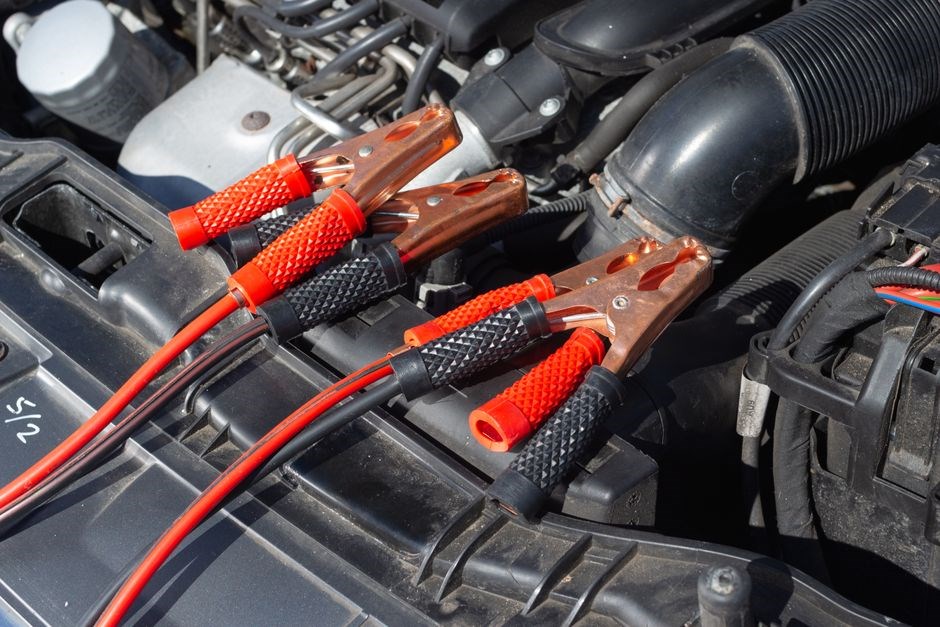
Battery Tender Plus runs automatically, adjusting voltage and current to match battery status. It displays real‑time voltage, current, and temperature for monitoring. Its spark‑free circuitry guarantees safe, uninterrupted charging. It logs charge cycles and alerts for low battery. !!
Charging Modes: Float, Maintenance, Trickle
Battery Tender Plus offers three distinct charging strategies to keep your battery healthy over time. The Float mode maintains a low, steady voltage that compensates for self‑discharge, keeping the battery at full capacity without overcharging. The Maintenance mode provides a slightly higher voltage for a short period, ideal for batteries that have been stored or are rarely used; it restores full charge quickly and then reverts to Float. The Trickle mode delivers a very low current, perfect for deep‑cycle or high‑capacity batteries that require a gentle charge to avoid sulfation. Each mode automatically adjusts to the battery’s internal resistance and temperature, ensuring optimal performance and longevity. Users can select the desired mode via the on‑board display or remote controls, and the charger will log each session for future reference. This flexibility allows hobbyists, marine operators, and automotive owners to tailor charging to specific battery chemistries and usage patterns, reducing maintenance costs and extending battery life. The charger’s intelligent microprocessor monitors temperature, voltage, and load, adjusting output to prevent sulfation and prolong battery life, while its durable housing resists vibration and corrosion for rugged outdoor use.for marine & auto. Ideal marine & auto use.!
Real-Time Voltage and Current Display
The Battery Tender Plus features a clear, backlit LCD that updates voltage and current in real time, allowing users to monitor charging progress without interrupting the process. The display shows the battery’s present voltage, the charger’s output voltage, and the current flowing into the battery, all in volts and amperes. A dedicated “Charge” indicator shows the current mode—Float, Maintenance, or Trickle—while a battery health bar visualizes the state of charge from 0 % to 100 %. Temperature readings are also available, ensuring that overheating is avoided. The unit automatically adjusts the output to match the battery’s internal resistance and temperature, so the displayed values reflect the most efficient charging parameters. Users can set thresholds for over‑voltage or over‑current protection, and the screen will flash a warning if limits are approached. The real‑time data can be logged to an SD card for later analysis, making it ideal for fleet managers or hobbyists who track battery performance over time. The intuitive interface requires no additional software, making it straightforward for both novices and professionals to keep their batteries at peak condition. Additionally, the charger’s firmware supports monitoring via Bluetooth, allowing users to receive real‑time alerts on a smartphone app for convenience and peace mind!
Troubleshooting Common Charging Issues
When the Battery Tender Plus fails to charge, begin by checking the AC connection: ensure the outlet is live and the power cord is intact. Verify the battery terminals are clean and firmly attached; corrosion can cause high resistance and a low voltage display. A display of “0 V” or “0 A” indicates a fault state; reset by unplugging for 30 s and reconnecting. A common fault is a shorted battery cell; disconnect the charger, inspect the cells, and replace any that are swollen or leaking. If the charger shows a high voltage (above 14.5 V on a 12 V battery) it may be in over‑voltage mode; this can happen if the battery is fully charged but the charger remains connected. The device will automatically reduce output, but if the voltage remains high, check the internal fuse or contact support. Low current output (below 0;1 A) often indicates a disconnected or damaged battery cable; re‑attach the cable or replace it. A “TEMP” warning means the battery or charger is overheating; move the unit to a cooler area and allow it to cool before reconnecting; If the charger continues to flash a fault code, consult the user manual’s fault‑code table or use the diagnostic button to retrieve the error ID, then follow the recommended corrective action or contact technical support for further assistance. If the issue persists after these steps, consider replacing the charger’s internal battery management IC, as it may have degraded with prolonged use. For detailed error codes, refer to the troubleshooting appendix in the manual.
Maintenance, Troubleshooting, and Warranty
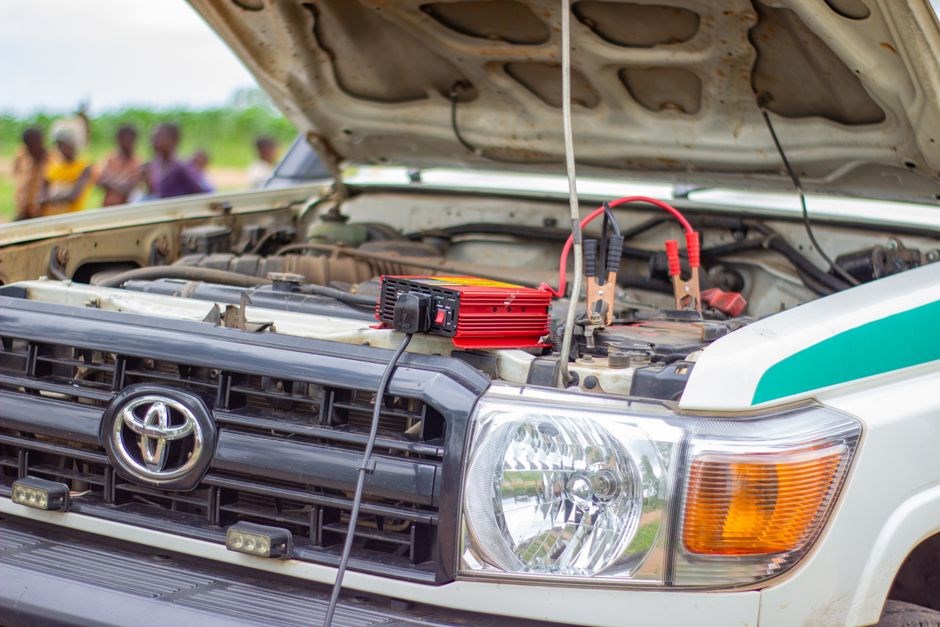
Regular cleaning of contacts, checking for corrosion, and inspecting the power cord are essential. Use diagnostic button for fault codes, replace damaged components. Warranty full covers defects for 12 months from purchase.
Routine Inspection and Cleaning
Perform a monthly visualcheck checkof thecharger’sexterior,ensuringno cracks, loose fittings, or signs of overheating. Inspect the AC power cord for fraying, and verify that the plug and socket are secure. Clean the charger’s metal contacts with a soft, dry cloth; avoid abrasive materials that could scratch the surface. If corrosion is detected, gently remove it with a cotton swab dipped in isopropyl alcohol, then dry thoroughly. Check the battery’s voltage indicator matches the expected range for its state of charge; a sudden drop may signal a fault. Finally, ensure the charger’s ventilation openings are free of dust and debris, as blocked airflow can cause overheating. By following these steps, you maintain optimal performance and extend the life of both the charger and the battery. After cleaning, reattach quickly the charger to the battery, ensuring the positive terminal is connected to the positive battery post and the negative to the negative. Double‑check that all connections are tight and that no conductive debris remains on the terminals. If the charger’s indicator lights do not illuminate or the display shows an error code,so consult the troubleshooting guide in the manual or contact customer support for assistance Remember that proper ventilation and avoiding moisture are key to preventing electrical faults. By adhering to these steps, you ensure the charger operates efficiently, battery health, and complies with safety standards! Regular checks detect wear early, enabling soon part replacement.
Fault Codes and Resolution

Battery Tender Plus displays fault codes on its LCD to indicate specific issues. The most common codes are: F1 – Over‑voltage protection triggered; F2 – Over‑current protection; F3 – Battery not detected; F4 – Temperature too high; F5 – Internal fault. To resolve F1, check the battery’s voltage with a multimeter; if it exceeds 14.4 V, disconnect the charger and allow the battery to cool. For F2, inspect the AC supply for voltage spikes; replace the power cord or use a surge protector. F3 usually means a loose or corroded terminal; clean the contacts and reconnect firmly. F4 requires ensuring the charger is placed in a well‑ventilated area and that the ambient temperature is below 40 °C; if necessary, relocate the unit. F5 indicates a possible internal component failure; contact the manufacturer’s support for a repair or replacement. After addressing the fault, reset the charger by disconnecting it from the battery for five minutes, then reconnecting. The display should return to normal operation. If a fault persists, consult the troubleshooting section of the manual or contact technical assistance. Regular monitoring of fault codes helps prevent long‑term damage and ensures reliable charging performance. Check and verify all connections, ensure proper grounding, and keep the charger in a dry, well‑ventilated area. If problems persist, contact support. Always!
Battery Health and Longevity Tips
Battery Tender Plus encourages optimal longevity through consistent maintenance and monitoring. Keep the charger in a dry, well‑ventilated location to avoid overheating. Avoid exposing the battery to extreme temperatures; ideal operating range is 0 °C to 40 °C. Regularly inspect terminal connections for corrosion; clean with a dry brush and apply dielectric grease. Ensure the battery’s voltage never exceeds the charger’s float voltage; over‑charging can reduce cycle life. Use the built‑in temperature sensor to keep the charger from operating in hot environments; if the sensor reads above 50 °C, disconnect the charger until it cools. Periodically check the battery’s state of charge via the LCD display; if the battery remains at 100 % for extended periods, consider cycling it by allowing a brief discharge before re‑charging. Maintain a log of charging cycles; most 12 V lead‑acid batteries achieve 500–1000 cycles under proper care. For AGM and LiFePO4 batteries, follow the manufacturer’s recommended charge limits and avoid deep discharge below 20 %. Replace the battery when the voltage at rest falls below 11.5 V for lead‑acid types or when internal resistance rises noticeably. Adhering to these guidelines ensures the battery remains healthy and delivers reliable performance throughout its lifespan. Regular checks keep the system safe, efficient, reliable daily.
Warranty Coverage Details
Battery Tender Plus is backed by a two‑year limited warranty covering all original parts and labor for defects in materials or workmanship. The warranty is valid only when the charger is used with a 12 V or 24 V lead‑acid, AGM, or LiFePO4 battery and installed per the safety instructions. If the charger fails within the warranty period, the manufacturer will repair or replace the unit at no charge. The warranty does not cover damage from misuse, accidental drop, exposure to moisture, or failure to follow the recommended charging procedures. To claim, the purchaser must provide the original receipt, a brief description of the issue, and the unit’s serial number. The warranty is transferable to a new owner only if the unit is still within the original two‑year period and the transfer is documented. For extended coverage, optional service plans are available through authorized dealers. The warranty is governed by the laws of the country of purchase and does not supersede any statutory consumer rights. All claims must be submitted within 30 days of the defect’s discovery. The manufacturer reserves the right to inspect the unit before approving a repair or replacement. This warranty does not apply to batteries, cables, or accessories not supplied by the manufacturer. Contact the support team for assistance with warranty claims or to locate a service center near you. Thank you!
Leave a Reply
You must be logged in to post a comment.