



Understanding IT Band Syndrome
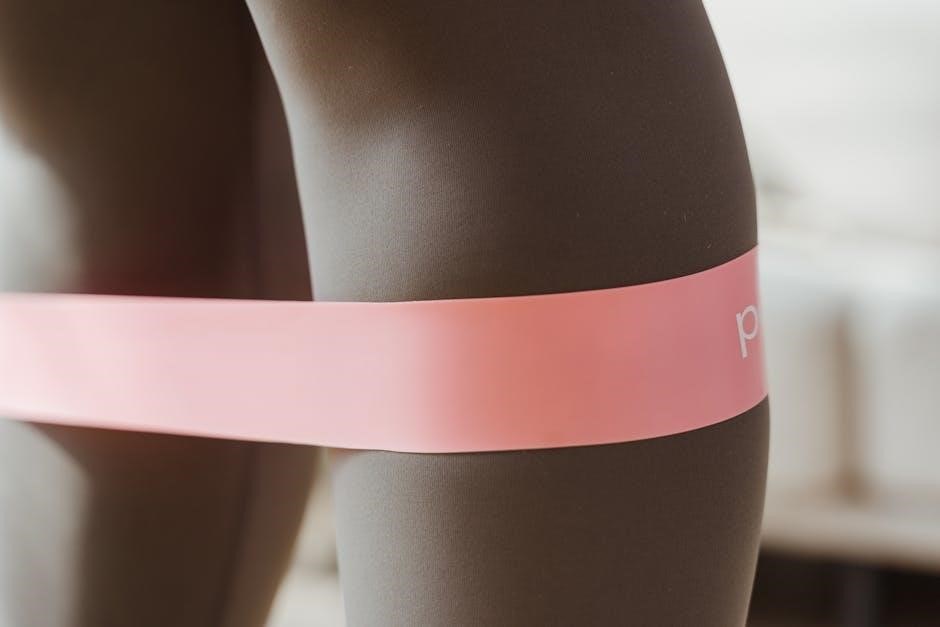
IT band syndrome often requires a comprehensive approach‚ including core strengthening and hamstring/IT band flexibility exercises for successful rehabilitation and long-term management.
What is the IT Band?
The iliotibial (IT) band is a thick band of fibrous tissue that runs along the outside of the thigh‚ extending from the hip to just below the knee. It’s not a muscle itself‚ but rather a strong connective tissue that plays a crucial role in stabilizing the knee and hip during movement.
Essentially‚ it assists in movements like walking‚ running‚ and cycling. However‚ the IT band can become tight or inflamed due to overuse‚ improper training techniques‚ or anatomical factors. This inflammation leads to IT band syndrome‚ causing pain on the outer side of the knee. Understanding its function is key to addressing related issues‚ often requiring flexibility and strengthening exercises.
Causes of IT Band Syndrome
IT band syndrome typically arises from repetitive friction between the IT band and the lateral femoral epicondyle (the bony prominence on the outside of the knee). Several factors contribute to this friction. These include rapid increases in training intensity or duration‚ particularly in running or cycling.
Anatomical variations‚ such as leg length discrepancies or differences in foot structure‚ can also play a role. Weak hip abductors and gluteal muscles contribute to poor biomechanics‚ increasing stress on the IT band. Inadequate stretching of the IT band‚ hamstrings‚ and calf muscles further exacerbates the issue. Addressing these underlying causes‚ often through targeted exercises‚ is crucial for effective management.
Common Symptoms
IT band syndrome commonly presents as pain on the outside of the knee‚ often radiating upwards along the thigh. This pain typically worsens with activity‚ particularly during running‚ cycling‚ or stair climbing. Initially‚ discomfort may be mild and subside with rest‚ but it can progressively intensify.
Individuals may experience a snapping sensation or tightness in the IT band. Pain can be sharp or burning‚ and localized tenderness is often present over the lateral femoral epicondyle. In some cases‚ swelling or inflammation may occur. Symptoms often mimic other knee conditions‚ making accurate diagnosis essential. Early recognition and appropriate management‚ including targeted exercises‚ are key to preventing chronic issues.

Initial Management & Pain Relief
Immediate steps involve reducing inflammation and pain through rest‚ ice‚ compression‚ and elevation – crucial for initiating recovery and minimizing discomfort effectively.
R.I.C.E. Protocol
The R.I.C.E. protocol is a cornerstone of initial IT band syndrome management‚ focusing on reducing inflammation and alleviating pain. Rest involves avoiding activities that aggravate the condition‚ allowing the inflamed tissues to begin healing. Ice should be applied to the affected area for 15-20 minutes at a time‚ several times a day‚ to minimize swelling and discomfort.
Compression‚ using an elastic bandage‚ helps to control swelling‚ but avoid wrapping it too tightly. Finally‚ Elevation of the leg above heart level further aids in reducing swelling. Consistent application of R.I.C.E. in the early stages can significantly reduce pain and promote faster recovery‚ creating a foundation for subsequent rehabilitation exercises.

Over-the-Counter Pain Relief
Over-the-counter (OTC) pain relievers can provide symptomatic relief for IT band syndrome‚ complementing the R.I.C;E. protocol. Nonsteroidal anti-inflammatory drugs (NSAIDs)‚ such as ibuprofen or naproxen‚ are effective in reducing both pain and inflammation. These medications work by inhibiting the production of prostaglandins‚ substances that contribute to pain and swelling.
Acetaminophen‚ another OTC option‚ primarily addresses pain but has limited anti-inflammatory effects. It’s crucial to follow dosage instructions carefully and consult a healthcare professional if pain persists or worsens despite medication. While OTC options offer temporary relief‚ they don’t address the underlying biomechanical issues; therefore‚ they should be used in conjunction with stretching and strengthening exercises for a complete recovery.
Stretching Exercises for IT Band Syndrome
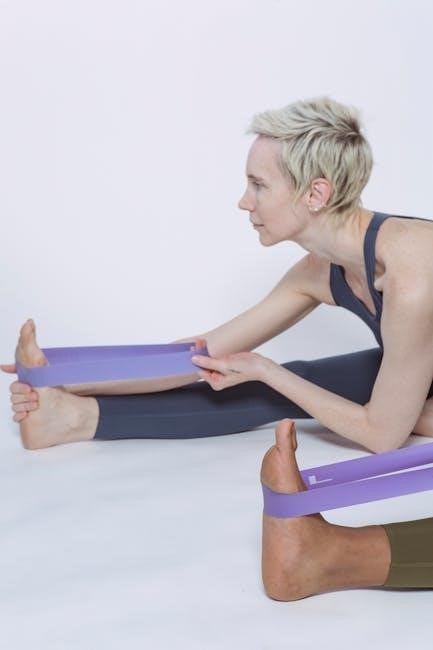
Targeted stretches‚ including IT band‚ hip flexor‚ and hamstring routines‚ are essential for restoring flexibility and alleviating discomfort associated with this common condition.
IT Band Stretch (Standing)
To perform this stretch‚ stand with the affected side closer to a wall or stable support. Cross the affected leg behind the other leg‚ creating a slight crossover. Gently lean towards the wall‚ keeping your back straight and core engaged. You should feel a stretch along the outside of your hip and thigh – this targets the IT band.
Hold this position for approximately 30 seconds‚ breathing deeply throughout the stretch. Avoid bouncing or jerking movements‚ as this can exacerbate the issue. Repeat this stretch 2-3 times on each leg. Remember to maintain a comfortable range of motion; do not push yourself beyond your limits. This standing stretch is a convenient way to improve IT band flexibility throughout the day.
IT Band Stretch (Lying Down)
Begin by lying on your back with both legs extended. Bend the affected leg and draw it across your body towards the opposite shoulder. Gently pull the bent leg closer‚ using your hand to guide it. You should feel a stretch along the outer thigh and potentially down towards the knee – this indicates the IT band is being targeted.
Maintain a straight back and keep your shoulders relaxed on the floor. Hold this stretch for around 30 seconds‚ focusing on deep‚ controlled breathing. Repeat the stretch 2-3 times on each side. If you find this stretch too intense‚ use a towel or strap to assist in pulling your leg across your body. This lying down variation offers a gentler approach to IT band lengthening.
Hip Flexor Stretch
To perform a hip flexor stretch‚ kneel on one knee with the other foot flat on the floor in front of you‚ forming a 90-degree angle. Gently push your hips forward‚ maintaining a straight back and engaged core. You should feel a stretch in the front of the hip of the kneeling leg.
To deepen the stretch‚ slightly arch your back and reach with the same-side arm overhead. Hold this position for 30 seconds‚ breathing deeply. Repeat 2-3 times on each side. Tight hip flexors can contribute to IT band tightness‚ so regular stretching is crucial. Ensure you don’t overextend and listen to your body‚ stopping if you feel any sharp pain. This stretch helps restore proper hip alignment.
Hamstring Stretch
A tight hamstring muscle can significantly impact IT band function‚ exacerbating IT band syndrome symptoms. To perform a hamstring stretch‚ sit on the floor with one leg extended straight out and the other bent with the foot tucked towards your inner thigh. Reach towards your toes on the extended leg‚ keeping your back as straight as possible.
You should feel a stretch along the back of your thigh. Hold this position for 30 seconds‚ breathing deeply‚ and repeat 2-3 times on each leg. Alternatively‚ you can perform this stretch lying down‚ using a towel or strap to assist if needed. Remember to avoid bouncing‚ and focus on a gentle‚ sustained stretch. Flexibility in the hamstrings is essential for overall lower body health.

Strengthening Exercises for IT Band Syndrome
Strengthening key muscle groups – gluteals‚ hip abductors‚ and core – provides crucial support and stability‚ addressing imbalances contributing to IT band issues.
Gluteus Maximus Strengthening
A weak gluteus maximus significantly contributes to IT band syndrome‚ as it forces other muscles to compensate‚ increasing stress on the IT band. Strengthening this muscle is paramount for proper biomechanics and pain reduction. Begin with glute bridges: lie on your back with knees bent and feet flat‚ then lift your hips off the ground‚ squeezing your glutes at the top.
Progress to single-leg glute bridges for increased challenge. Hip thrusts‚ utilizing a bench for support‚ are another excellent option‚ allowing for greater range of motion and heavier loading. Squats and lunges‚ performed with proper form‚ also effectively engage the gluteus maximus. Focus on controlled movements and maintaining core stability throughout each exercise to maximize benefits and prevent further injury. Remember consistency is key!
Hip Abductor Strengthening
Weak hip abductors – muscles responsible for moving your leg away from the midline – contribute to poor pelvic and lower limb alignment‚ exacerbating IT band syndrome. Strengthening these muscles helps stabilize the pelvis and reduce stress on the IT band. Side-lying leg lifts are a foundational exercise: lie on your side with legs straight‚ and lift the top leg‚ keeping your core engaged.
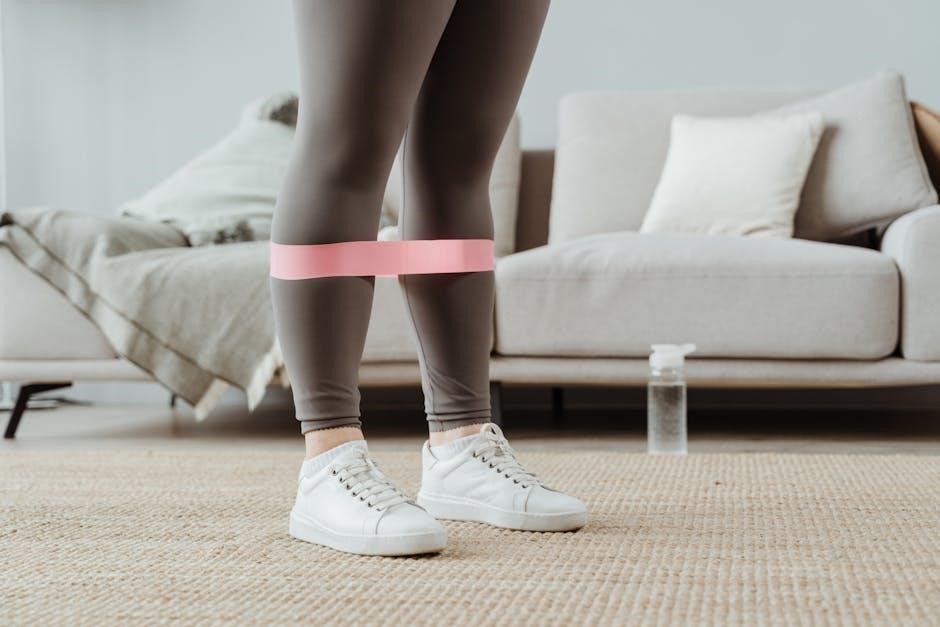
Clamshells‚ using a resistance band around your thighs‚ provide added challenge. Standing hip abduction with a resistance band also effectively targets these muscles. Focus on slow‚ controlled movements‚ avoiding compensation from other muscle groups. Incorporate these exercises into your routine 2-3 times per week‚ gradually increasing resistance as strength improves. Proper form is crucial to prevent injury and maximize effectiveness.
Core Strengthening Exercises
A strong core is fundamental for stabilizing the pelvis and spine‚ directly impacting IT band function. Multi-modal abdominal and pelvic strengthening exercises minimize patellofemoral irritability while promoting overall stability. Planks – holding a straight line from head to heels – engage multiple core muscles simultaneously. Bridges‚ lifting the hips off the ground while squeezing the glutes‚ strengthen the posterior core.
Bird-dogs‚ extending opposite arm and leg while maintaining a neutral spine‚ improve core stability and coordination. Dead bugs‚ lowering opposite arm and leg while keeping the lower back pressed into the floor‚ challenge core control. Perform these exercises 2-3 times weekly‚ focusing on proper form and controlled movements. A stable core reduces compensatory movements that can aggravate IT band syndrome.
Foam Rolling for IT Band Syndrome
Foam rolling targets muscle tightness‚ improving flexibility and reducing pain; focus on the IT band‚ quads‚ hamstrings‚ and calves for optimal results.
Proper Foam Rolling Technique
Begin by positioning yourself with the foam roller under the affected side of your IT band. Support your weight with your forearms and the opposite leg‚ ensuring your core is engaged to maintain stability. Slowly roll from just above the knee to the upper thigh‚ pausing on any tender spots for approximately 30 seconds.
Controlled movements are crucial; avoid rapid rolling. Breathe deeply throughout the process‚ as this can help relax the muscles. The sensation may be uncomfortable‚ but it shouldn’t be excruciating. Adjust the pressure by shifting your weight.
Repeat this process for 60-90 seconds‚ focusing on areas of tightness. Remember consistency is key for seeing improvements. Avoid rolling directly on the knee joint itself. Proper technique minimizes risk and maximizes benefits.

Areas to Focus On
When foam rolling for IT band syndrome‚ concentrate on several key areas beyond just the band itself. Begin with the gluteus maximus‚ specifically the area where the IT band originates. Then‚ move to the tensor fasciae latae (TFL)‚ a muscle located on the outer hip‚ as tightness here significantly impacts the IT band.
Don’t neglect the quadriceps‚ particularly the vastus lateralis‚ as imbalances can contribute to IT band issues. Also‚ address the hamstrings‚ ensuring they have adequate flexibility.
Targeting these surrounding muscle groups helps release tension that may be pulling on the IT band. Remember to roll slowly and methodically‚ pausing on tender spots. Consistent attention to these areas supports overall recovery and prevents recurrence;

Preventative Measures & Long-Term Management
Maintaining proper running form‚ appropriate footwear‚ and a gradual increase in activity are crucial for preventing IT band syndrome recurrence and ensuring lasting health.
Proper Running Form
Efficient running mechanics are paramount in preventing IT band syndrome. Avoid overstriding‚ as this increases stress on the IT band and knee joint. Focus on maintaining a midfoot strike‚ rather than heel striking‚ to reduce impact forces.
A slight lean from the ankles‚ not the waist‚ encourages forward momentum and minimizes strain. Keep your cadence (steps per minute) relatively high – aiming for around 170-180 steps per minute can shorten stride length and lessen IT band tension.
Engage your core muscles throughout your run to stabilize your pelvis and maintain proper alignment. Visualize running tall and relaxed‚ avoiding excessive twisting or rotation. Consider a gait analysis by a professional to identify and correct any biomechanical issues contributing to IT band problems.
Appropriate Footwear
Selecting the right running shoes is crucial for mitigating IT band syndrome. Shoes should provide adequate cushioning and support‚ tailored to your foot type and running style. Overpronation (excessive inward rolling of the foot) can exacerbate IT band issues‚ so stability shoes may be beneficial.
Conversely‚ if you supinate (roll outward)‚ neutral shoes might be more appropriate. Regularly replace your running shoes – typically every 300-500 miles – as cushioning degrades over time‚ increasing impact forces.
Consider getting professionally fitted at a running specialty store; experts can analyze your gait and recommend shoes that best suit your needs. Avoid running in worn-out or ill-fitting shoes‚ as these can contribute to biomechanical imbalances and IT band irritation.
Gradual Increase in Activity Level
A sudden jump in training intensity or mileage is a common trigger for IT band syndrome. To prevent recurrence‚ implement a gradual progression plan. The “10% rule” – increasing weekly mileage by no more than 10% – is a good guideline.
This allows your body‚ including the IT band and surrounding muscles‚ to adapt to the increased load. Incorporate rest days into your schedule to allow for recovery and tissue repair. Listen to your body; pain is a signal to slow down or modify your activity.
Avoid pushing through discomfort‚ as this can worsen inflammation and prolong healing. Cross-training activities‚ like swimming or cycling‚ can maintain fitness without excessively stressing the IT band.
Leave a Reply
You must be logged in to post a comment.